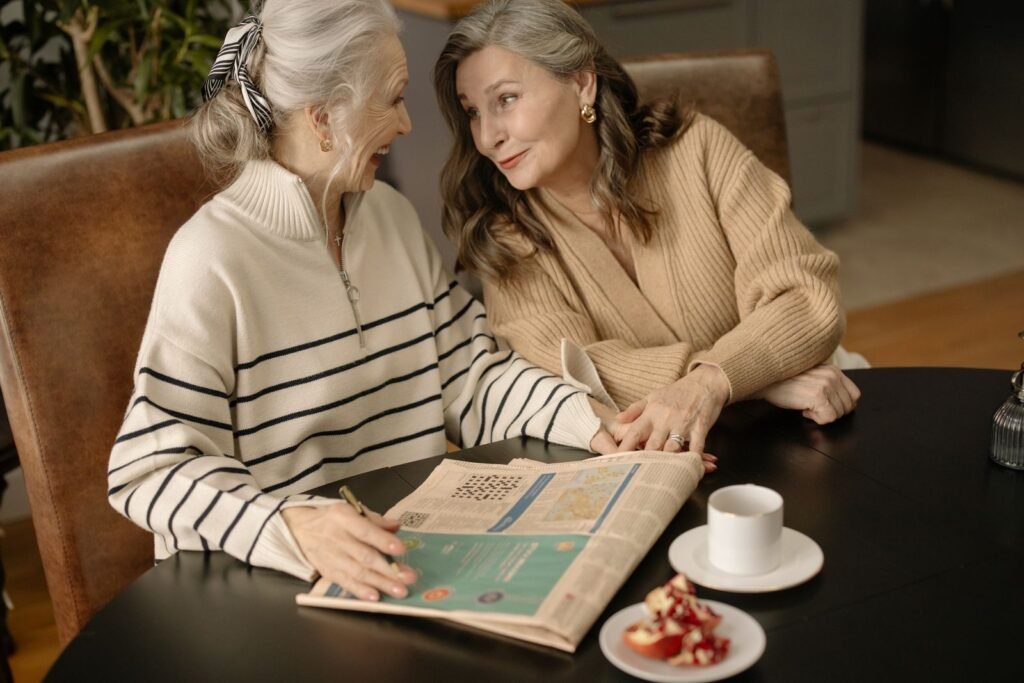
A dementia diagnosis, whether for a parent or another loved one, brings a lot of uncertainty about what happens next. Many families assume a care home becomes inevitable fairly quickly, but home care is often a genuinely viable option for a long time, provided it’s delivered by carers with the right specialist training and a care plan that can adapt as things change.
What Dementia Care at Home Actually Looks Like
In the earlier stages, support might be relatively light, help with medication reminders, meal preparation, and companionship, alongside gentle prompts around daily routines. As needs progress, care typically becomes more hands-on: support with personal care, managing confusion or anxiety, and, eventually, for some families, full live-in support providing continuous reassurance and supervision.
Specialist Training Matters
Not every carer is equipped to support someone with dementia well. Good dementia care requires specific training in areas like:
- Communication techniques that reduce confusion and distress
- Recognising and responding calmly to agitation or challenging behaviour
- Supporting safe routines around eating, medication and personal care
- Managing wandering or disorientation risks, particularly in the home environment
Our carers receive specialist dementia training as standard, not as an optional extra, because a generalist approach simply isn’t appropriate for the specific challenges dementia presents.
Why Consistency of Carer Matters So Much
For someone living with dementia, unfamiliar faces can be genuinely distressing, and new routines are harder to adapt to. A consistent, familiar carer, rather than a rotating roster, tends to build trust and calm far more effectively over time. It’s one of the reasons we prioritise matching clients with a small, consistent team wherever possible, rather than sending whoever happens to be available that day.
Supporting the Family, Not Just the Individual
Dementia affects the whole family, not just the person diagnosed. Good home care includes keeping family members informed, offering guidance on what to expect at each stage, and being a source of honest, practical advice, not just a pair of hands. Families near Camden and Hillingdon often tell us this ongoing communication is what they value most, alongside the direct care itself.
How Care Plans Adapt Over Time
Dementia is progressive, and a good care plan is never static. Regular reviews mean that as needs change, whether that’s more hours, additional specialist support, or eventually a move to live-in care, the plan evolves with the person, rather than forcing a disruptive reassessment from scratch each time.
Signs It Might Be Time to Increase Support
- Increased confusion, especially in the evening (“sundowning”)
- Missed medication or meals becoming more frequent
- Safety incidents, such as leaving the hob on or wandering outside
Common Misconceptions About Dementia Care at Home
One of the most common misconceptions is that a dementia diagnosis means a care home becomes necessary fairly quickly. In reality, many people live well at home for years following diagnosis, with the right support scaled appropriately to their current stage. Another common misconception is that dementia care means the same routine every day, regardless of how the person is feeling, good dementia care is actually highly responsive, adjusting pace and approach day to day based on mood, confusion levels, and energy, rather than rigidly following a fixed schedule regardless of how someone is doing.
Supporting Independence Where Possible
Good dementia care doesn’t mean taking over every task, it means supporting someone to do as much as they safely can for themselves, for as long as possible, rather than defaulting to doing everything for them. This distinction matters both for dignity and for slowing the practical impact of the condition, and it’s something worth discussing directly with any provider you’re considering.
Working With Other Professionals
Good home care for dementia doesn’t operate in isolation. It should work alongside GPs, memory clinics, and any other specialists already involved, sharing relevant observations (with appropriate consent) so everyone supporting your loved one has an accurate, current picture, rather than each party working from an outdated or incomplete view.
Getting Started
A free home visit is a low-pressure way to talk through where things currently stand and what support might help, with no obligation to commit to anything. Get in touch with our team to arrange a conversation, we’re happy to talk through dementia care specifically, at whatever stage you’re at.